A torch that suddenly will not turn on, an older device with tired runtime, or a first battery-powered project can make lithium-ion cells look simpler than they are. For many common single-cell applications, the best protected cells beginners can choose are genuine, correctly sized cells with a built-in protection circuit, matched to a suitable charger and the device’s current demand.
Protected cells are not a universal answer, and they are not a substitute for safe handling. They are, however, a sensible starting point when you are replacing a removable cell in a low-to-moderate drain device and want another layer of protection against common mistakes.
What makes a lithium-ion cell protected?
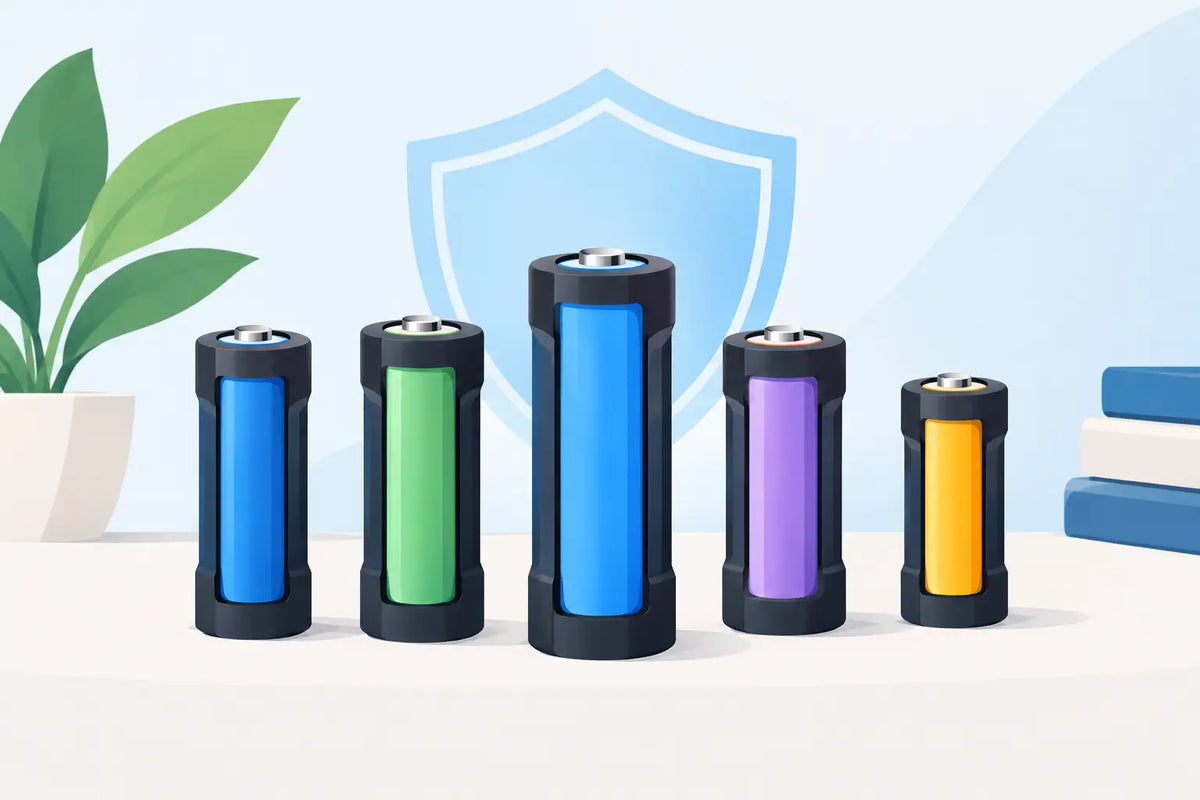
A protected 18650, 20700 or 21700 cell has a small electronic protection circuit fitted at one end of the cell, usually beneath the outer wrap. This circuit monitors the cell and disconnects it when conditions move outside its safe operating range. Depending on the design, it can provide over-charge protection, over-discharge protection, short-circuit protection and over-current protection.
That matters because a bare lithium-ion cell can be damaged if it is discharged too far, charged incorrectly, or shorted by loose metal objects. The protection circuit is intended to interrupt the circuit before the cell is pushed beyond its limits.
There is a physical trade-off. A protected cell is typically longer than an equivalent unprotected flat-top cell, often by several millimetres. Many protected cells also use a button-top positive terminal. Before buying, measure the existing battery compartment and check the device documentation. A cell that is electrically suitable but too long can crush a spring, prevent the cap from closing or damage the device.
Best protected cells for beginners: start with the device
The right cell starts with the application, not the highest mAh figure on the label. Capacity, continuous-discharge rating, physical format and terminal style all need to match the job.
For a household torch, portable radio, low-power inspection light or similar device, a capacity-focused protected 18650 is often a practical choice. It offers a familiar format and good runtime where current demand is modest. If the device was designed around a 21700 cell, a protected 21700 can provide more capacity, but only when the compartment has room for its greater diameter and length.
A protected button-top cell may be required where the device uses a raised positive contact. A flat-top cell may fit devices designed for flat-top cells, but the extra length added by a protection board still needs checking. Do not assume a cell is compatible because it has the same nominal voltage or shares an 18650 label.
Check these specifications before selecting a cell:
- Cell format: 18650, 20700 and 21700 cells are different sizes, not interchangeable upgrades.
- Length and terminal type: confirm whether the compartment accepts a protected cell and whether it needs a button top or flat top.
- Capacity: higher mAh generally means longer runtime at the same load, but it does not mean the cell can supply more current.
- Continuous-discharge rating: the cell must comfortably support the current the device draws in normal use.
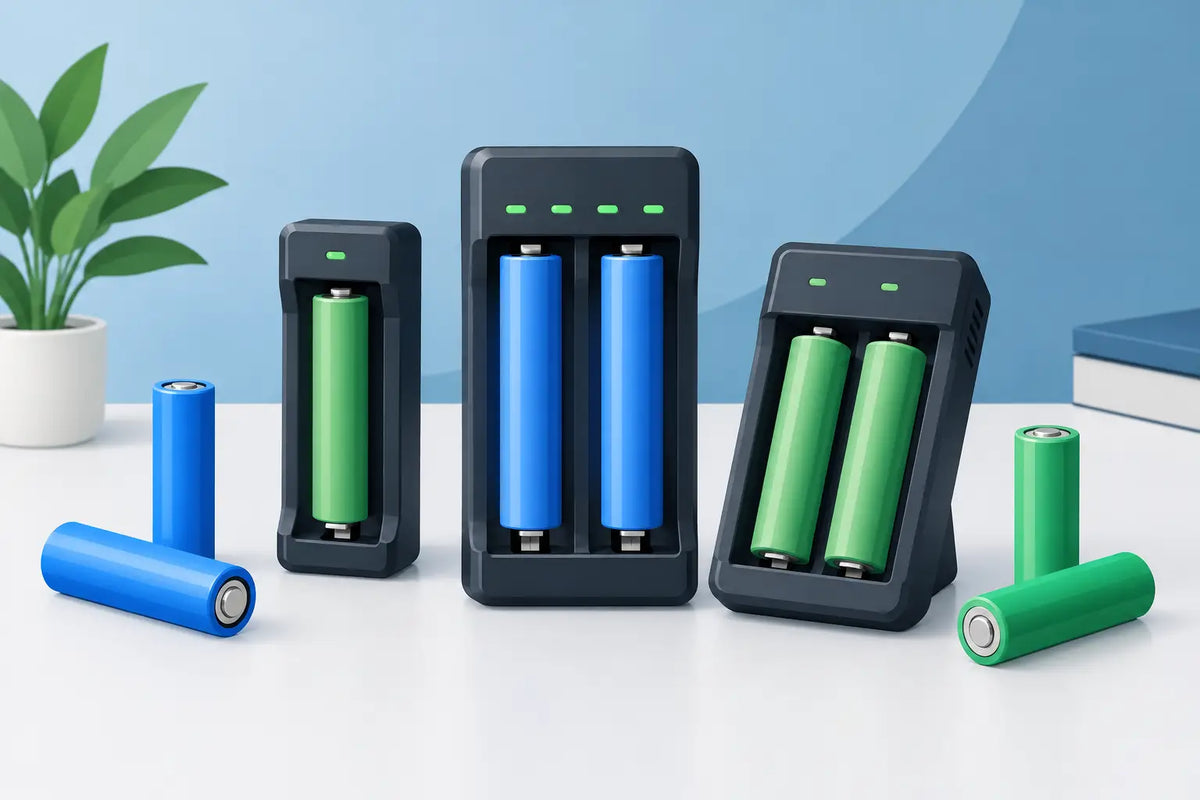
- Charger compatibility: use a lithium-ion charger that supports the chemistry and cell length.
When protected cells are the sensible option
Protected cells suit beginners best in devices that use one removable lithium-ion cell and do not demand high current. They are especially useful where the device itself has limited battery protection, or where a cell might otherwise be accidentally over-discharged during storage or use.
They can also make sense for users who want a straightforward replacement rather than a custom battery build. Choose a genuine cell from an established manufacturer or a clearly specified specialist range, then pair it with a quality charger. Clear specifications matter more than vague claims of extreme capacity.
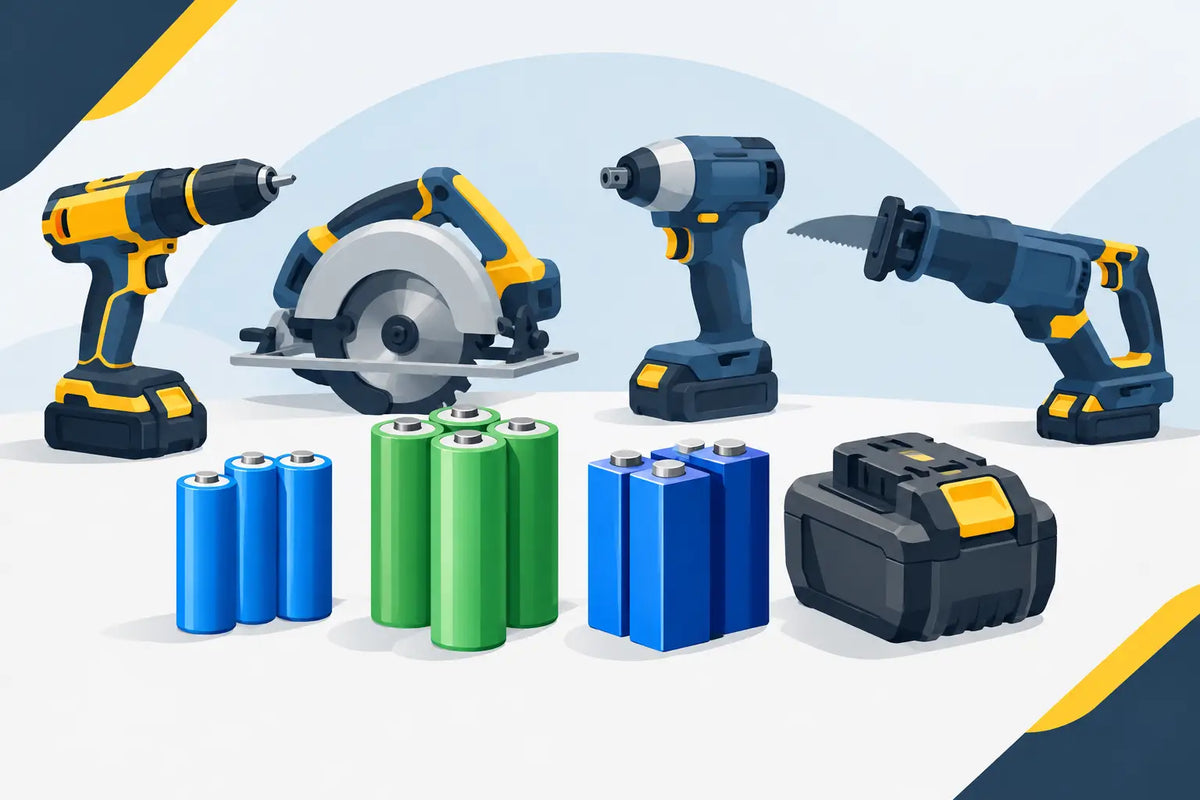
A protected cell is not necessarily the best choice for every torch, vape, e-bike controller, power tool or high-output device. High-drain applications can exceed the protection circuit’s current limit, causing the cell to cut out. That cutoff can feel like a fault, but it is the circuit doing its job.
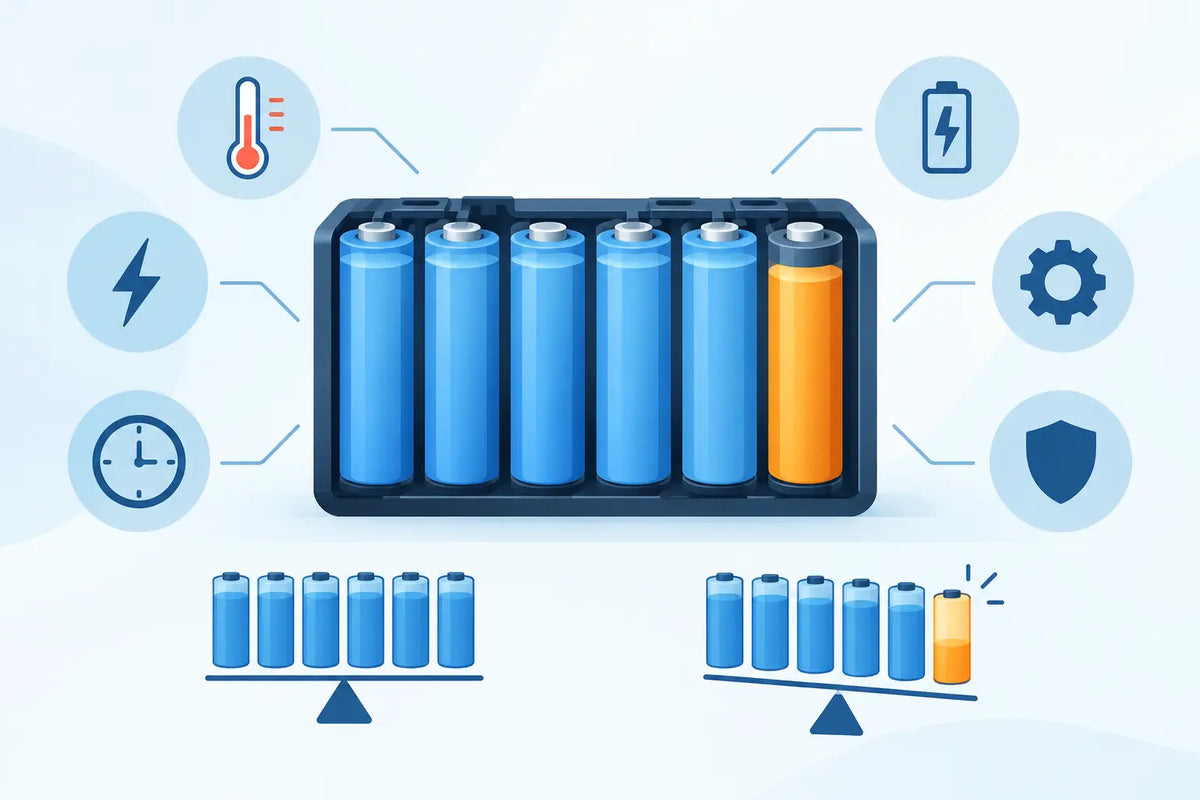
For multi-cell battery packs, protected individual cells are usually not the correct approach. Packs require cells with matched specifications and a properly selected battery-management system, or BMS, to manage charging, discharge, balancing and protection across the full pack. If you are repairing or building a pack, use the appropriate cells, insulation, nickel strip and BMS rather than trying to combine individually protected cells.
Do not confuse protection with high-drain performance
A common beginner mistake is treating the protection board as an upgrade in every respect. It is an added safety feature, not extra power. The small circuit introduces another point of limitation, and its maximum current may be well below what a high-drain device needs.
For example, a high-capacity protected cell may be excellent in a modest LED torch yet unsuitable in a device that demands large current bursts. The device may shut down as soon as the load rises, even when the cell is fully charged. In that situation, the fix is not to bypass or remove the protection circuit. The fix is to select a cell designed for the device, or seek technical advice before proceeding.
Likewise, a cell advertised with an unrealistic mAh rating is not a bargain. Genuine lithium-ion capacity has practical limits for each format. Sensible product listings state capacity, continuous current capability, format and terminal configuration so you can compare like for like.
Choose a charger that does more than charge
A protected cell still needs a proper lithium-ion charger. Use a charger designed for the cell chemistry and capable of correctly terminating the charge cycle. Good chargers typically monitor each slot independently, which is useful when charging cells with different starting charge levels.
Check that the charger accepts the full length of the protected cell. Some compact chargers accommodate unprotected flat-top 18650s but do not have enough travel for longer protected button-top versions. Forcing the cell into a charger is not acceptable.
Charge on a non-flammable surface, in a dry area, away from direct sun and combustible materials. Do not leave charging cells unattended for long periods. If a cell becomes unusually hot, swells, leaks, develops a damaged wrap or has been badly dropped, stop using it. Place it somewhere non-flammable and arrange appropriate battery recycling rather than putting it in household rubbish.
Storage and handling still matter
The protection circuit reduces risk from certain electrical faults, but it cannot repair physical damage or make unsafe storage safe. Loose cells should never be carried in a pocket, backpack or glove box with coins, keys or tools. A short circuit can occur when metal bridges the positive and negative terminals.
Use a proper plastic battery case for spare cells. Keep wraps intact, keep the positive terminal insulating ring in place, and store cells away from heat. If the wrap is torn, do not continue using the cell until it has been correctly rewrapped, or replace it if you are not confident doing that work safely.
Avoid mixing old and new cells, different brands, or cells with different charge levels in a device that uses more than one cell. Even protected cells should be matched where devices use cells in series or parallel. The safest beginner option is often to replace the full set with identical genuine cells purchased at the same time.
A practical buying check before you order
Before selecting a protected cell, confirm four things: the device accepts the cell’s format and finished length, the terminal style matches, the continuous-discharge rating covers the load, and your charger can safely charge it. If any of those details are unclear, pause before ordering.
TinkerTech AU stocks clearly specified lithium-ion cells and charging equipment for Australian makers, repairers and everyday users. Choosing by dimensions and discharge requirements first will narrow the options far faster than choosing by capacity alone.
A protected cell is a good first step when it fits the device and suits the load. Treat it as one part of a safe setup, alongside a correct charger, intact wrapping and careful storage, and it can give a straightforward device replacement the reliability it needs.